
Looking for something else?
Try one of these!
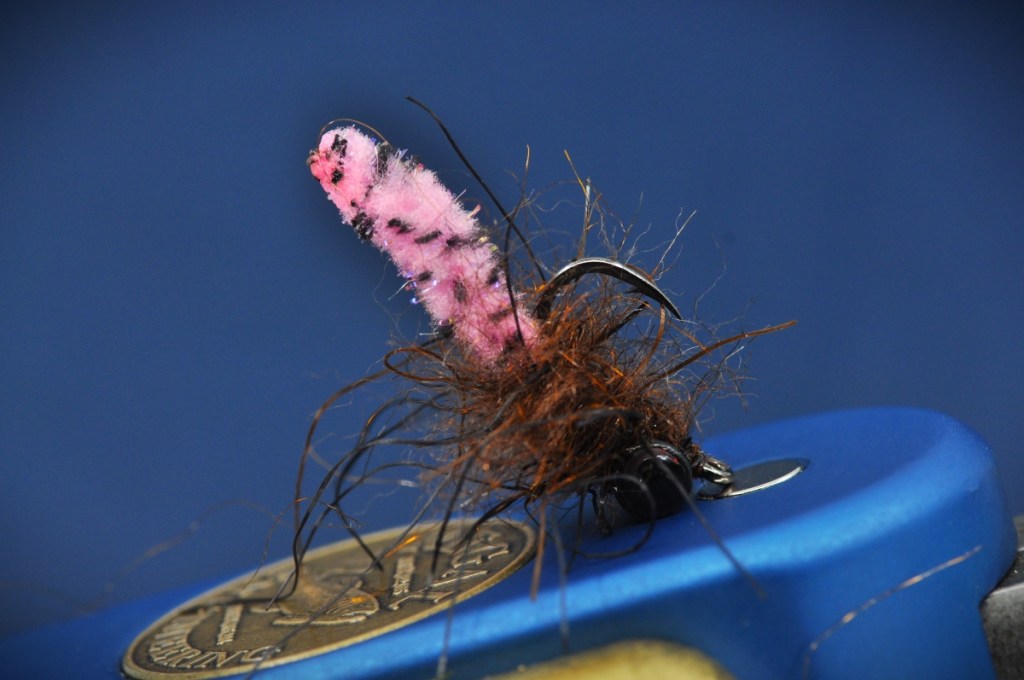
Carp Mop Fly Step-by-Step:
“Mop” is a bad word in some fly fishing circle. Purists will shun you for the mere mention of such abominations, relegating you to the level of untouchable among their ranks.
Still, these flies, originally constructed from the microfiber nubs of mops, seem to elicit a response from a wide variety of fish. And, for those willing to endure the ridicule of purists, they may just be the difference between a productive day on the water and getting skunked.
Though I am far from a purist, I am admittedly guilty of bowing to the peer pressure and have never allowed a mop fly to grace my trout box. Away from the trout stream, however, I’ve found value in these materials…especially when targeting carp.
Tied here as a classic “drag & drop” offering, Carp Mops are perfect for those less-than-ideal conditions when a larger fly is the ticket to drawing the attention of your quary.
| Materials: | ||
|---|---|---|
 Gamakatsu C14S (#6) Gamakatsu C14S (#6) |  8/0 or 70-Denier (Black) 8/0 or 70-Denier (Black) |  Dumbell Eyes (Small; Black) Dumbell Eyes (Small; Black) |
 Mop Chenille Mop Chenille |  Carp Dub or Hare’e Wiggle Dub Carp Dub or Hare’e Wiggle Dub |
Disclosure: This post contains affiliate links. A small commission may be paid for purchases made through these links.
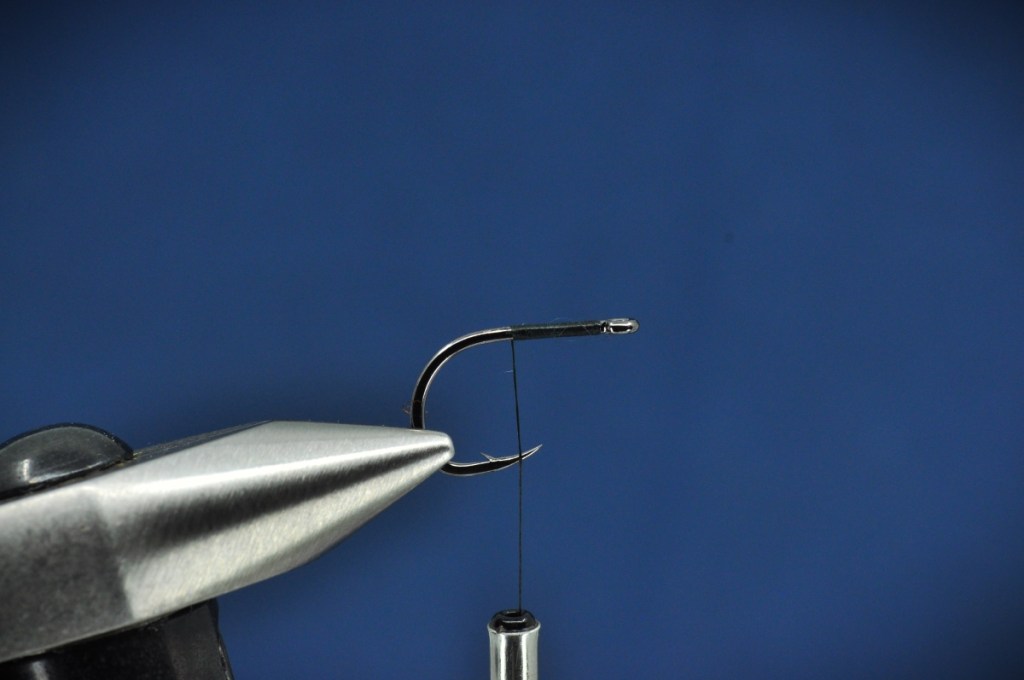
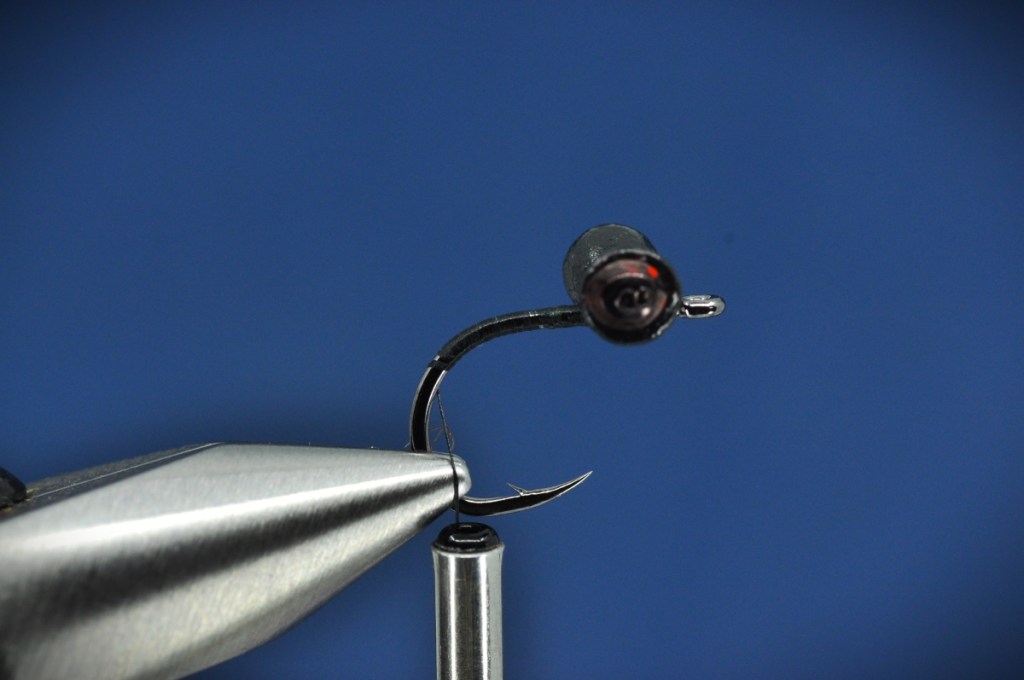
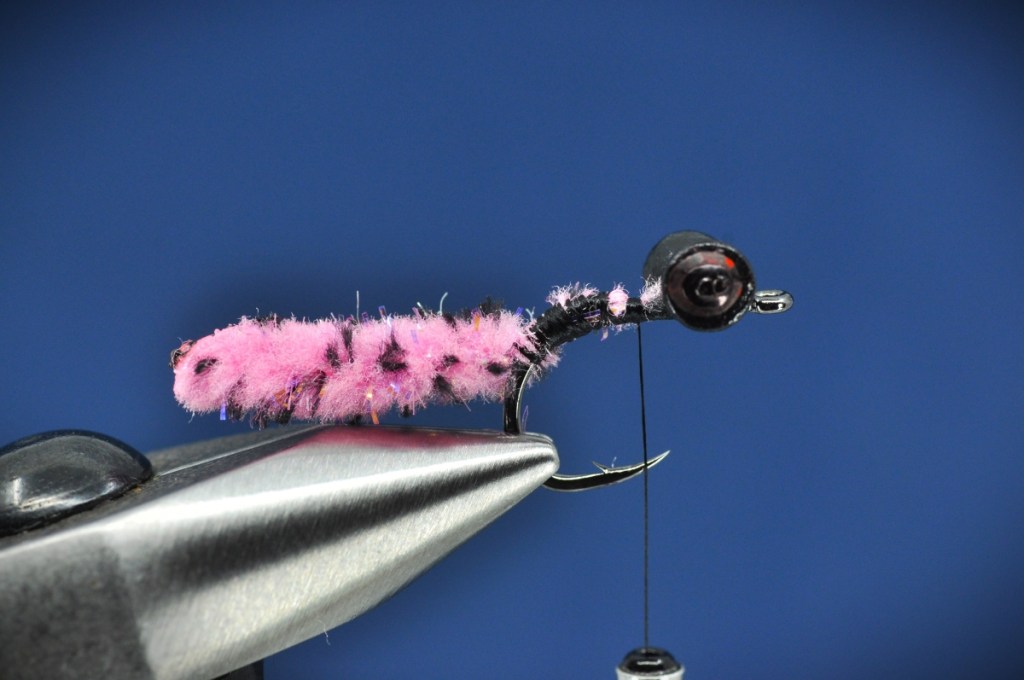
Carp Mop Fly Step-by-Step Tying Instructions:
(Mobile Viewers: Click images to enlarge or rotate phone to landscape)

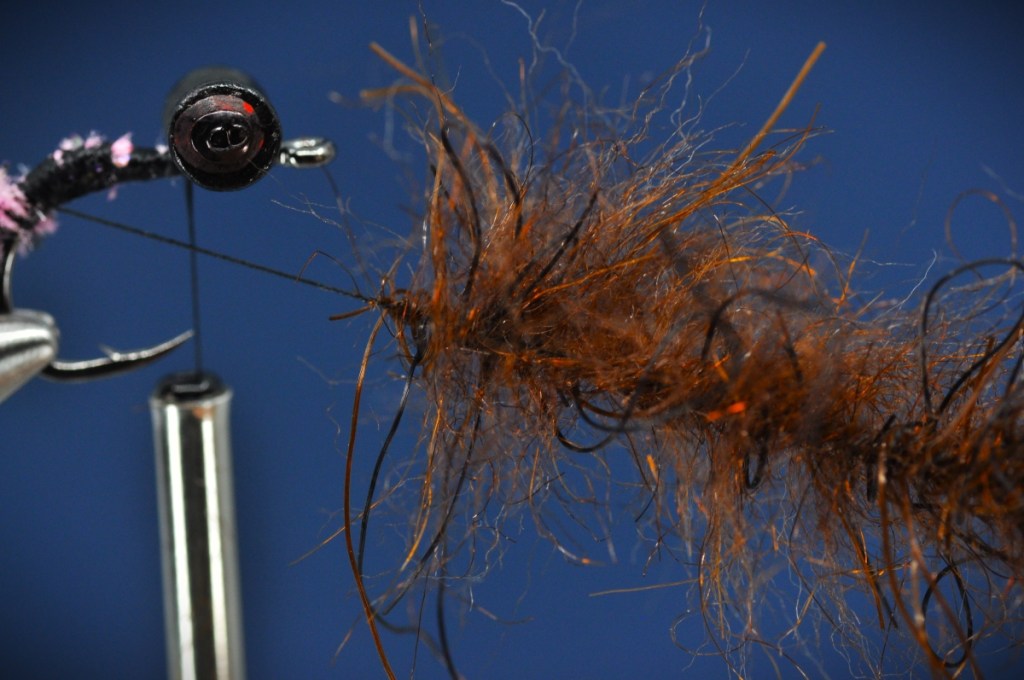
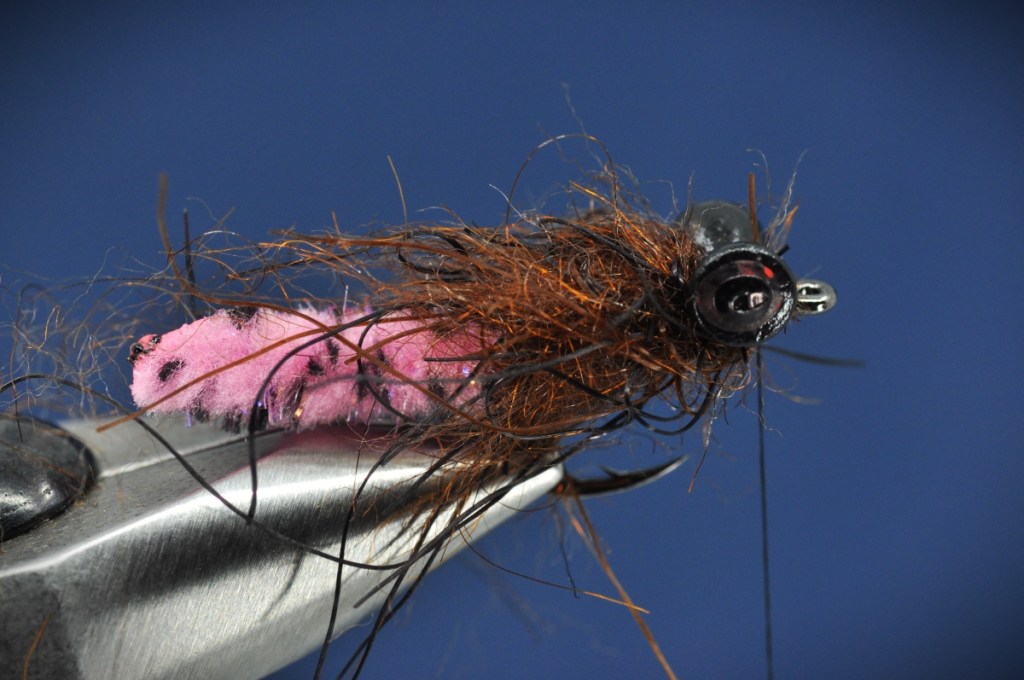
Tips and Tricks
- Color Selection – While olive, crawfish orange and black are my go-to colors for most carp patterns, this is a rare example where I focus on contrast. As such, I’ll often use pink, red or yellow tailing material on these patterns coupled with a more subdued dubbing on the body.
- Adhesive & Carp Flies – Admittedly, this is a copy and paste from prior carp patterns, but it bears repeating. At least among fish, carp have a renowned sense of smell. While that doesn’t stop everyone from using super glue, flex seal or Zap-a-Gap in their fly design, it is enough to give me pause. Personally, I’d rather catch a few fish before my fly falls apart as opposed to not catching any fish due to the smell of my fly. This isn’t to say you can’t use these adhesives and fixing agents on your fly, just keep in mind that they may be the problem if carp keep refusing your offerings.
Proof of Concept
While I can’t find any photographic evidence at the moment, I’ve successfully utilized the carp mop on a number of occasions in the past. In a few cases, it has even triggered unwelcome strikes from passing bluegill.
Tight Line!
Chris
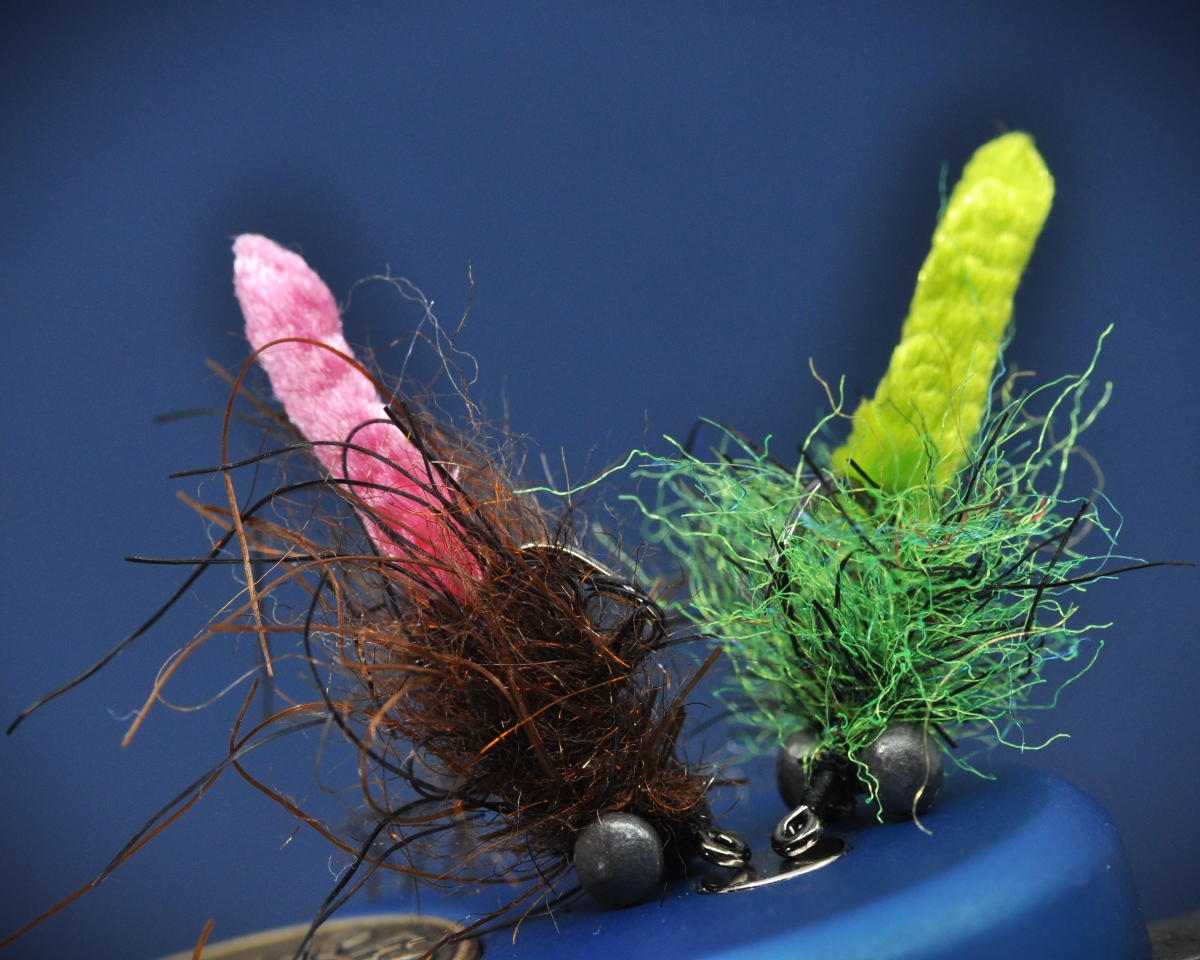
Species Caught on the Carp Mop Fly to Date:
- Common Carp
- Bluegill
Enjoy our Content?
Subscribe below to be notified anytime a new Step-by-Step is added.
Support our Content
Enjoy our content & want to help support our work? Consider clicking one of the Ads below the article if something catches your attention. Each click brings in a small bit of revenue to help offset the cost of maintaining & hosting this great site!