

Looking for something else?
Try one of these!
Dirty Harry Fly Step-by-Step:
2024 is upon us, and it’s time to kick off this year’s Step-by-Step tutorials with an interesting redfish pattern that I stumbled across perusing social media late last fall.
The creation of Captain Harry Meraklis, the Dirty Harry is a simple, buggy creation reminiscent of a drag-and-drop carp fly on steroids. Originally designed for targeting coastal species in Harry’s home waters in the Outer Banks region of North Carolina, the fly has proven effective on countless species in both fresh and saltwater (69 total species by Harry’s count).
Tied here on a 1/0 Gamakatsu SC15, this fly should have just the right combination of movement and flash to clean up in the Louisiana Marsh.
And, for those who may be interested in hitting the waters with Captain Harry or checking out a few more of his creations, here are a few ways to reach out to him:
| Materials: | ||
|---|---|---|
 Gamakatsu SC15 (#6-1/0) Gamakatsu SC15 (#6-1/0) |  6/0 or 140 Denier (Tan/Pink) 6/0 or 140 Denier (Tan/Pink) |  Arctic Fox (Gray) over Ultra Chenille (Standard) Arctic Fox (Gray) over Ultra Chenille (Standard) |
 Krystal Flash (Pearl) Krystal Flash (Pearl) |  Estaz (Tan/Pearl/Pink) Estaz (Tan/Pearl/Pink) |  Dumbell Eyes (Med.) Dumbell Eyes (Med.) |
Disclosure: This post contains affiliate links. A small commission may be paid for purchases made through these links.
Dirty Harry Fly Step-by-Step Tying Instructions:
(Mobile Viewers: Click images to enlarge or rotate phone to landscape)
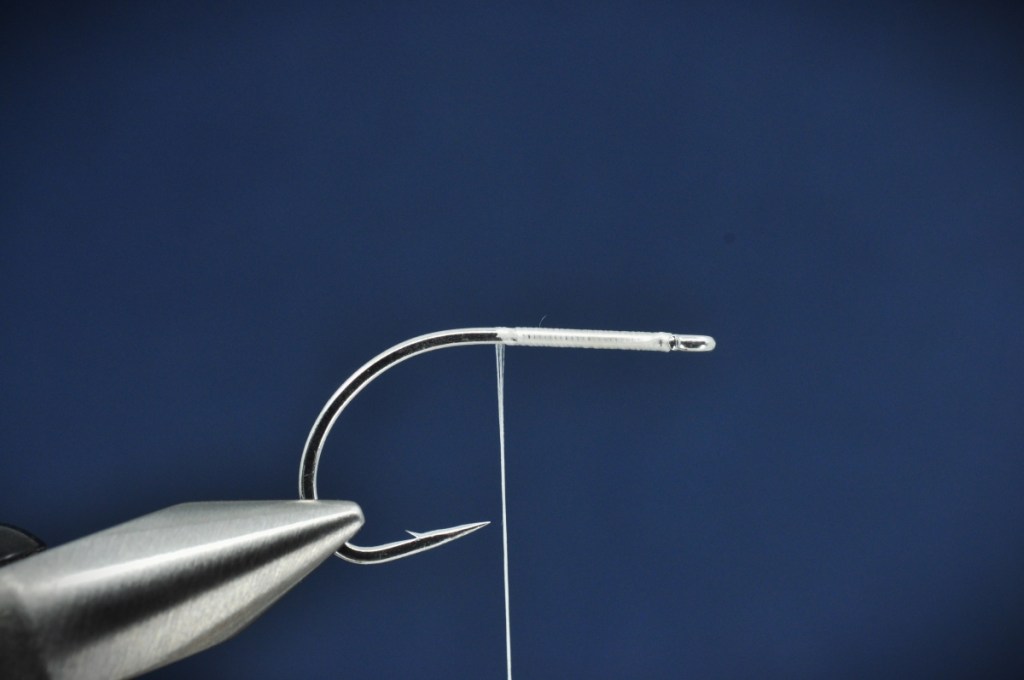
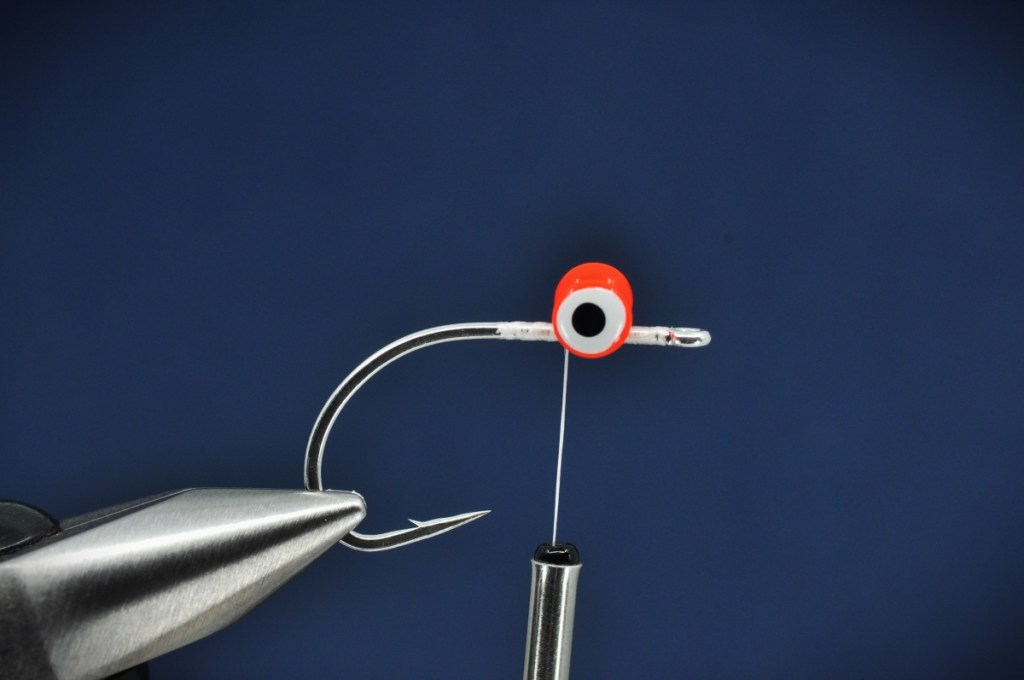
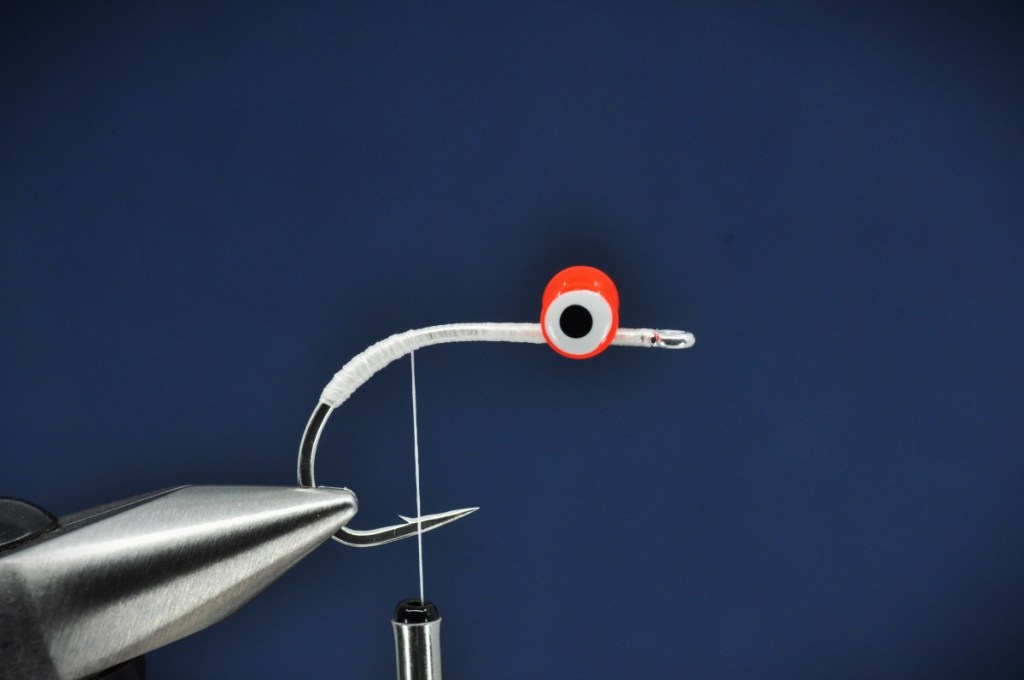
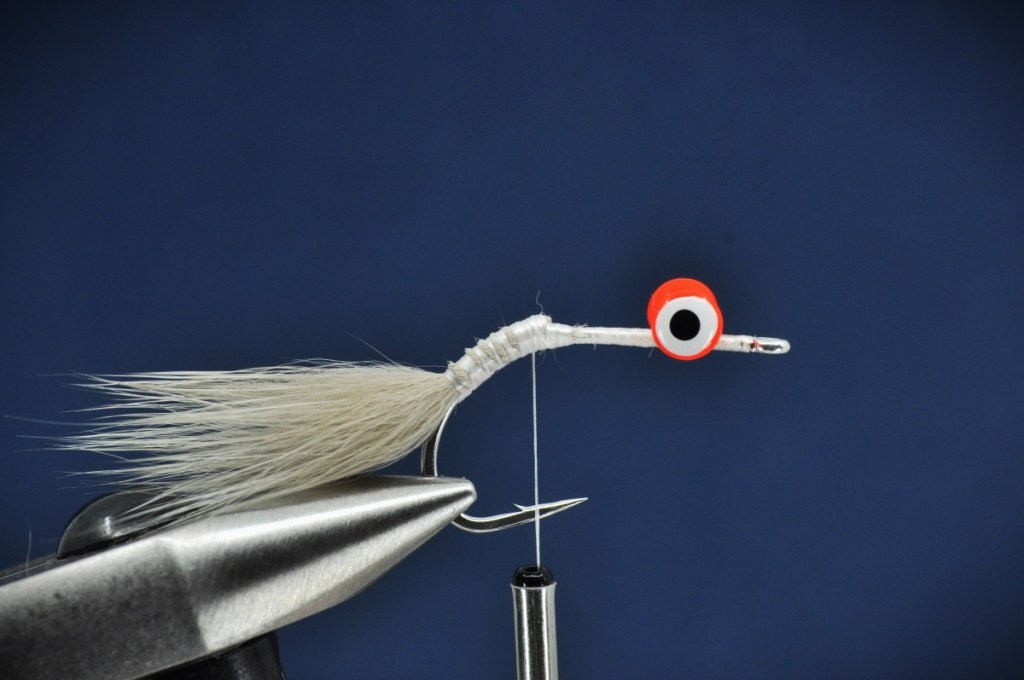
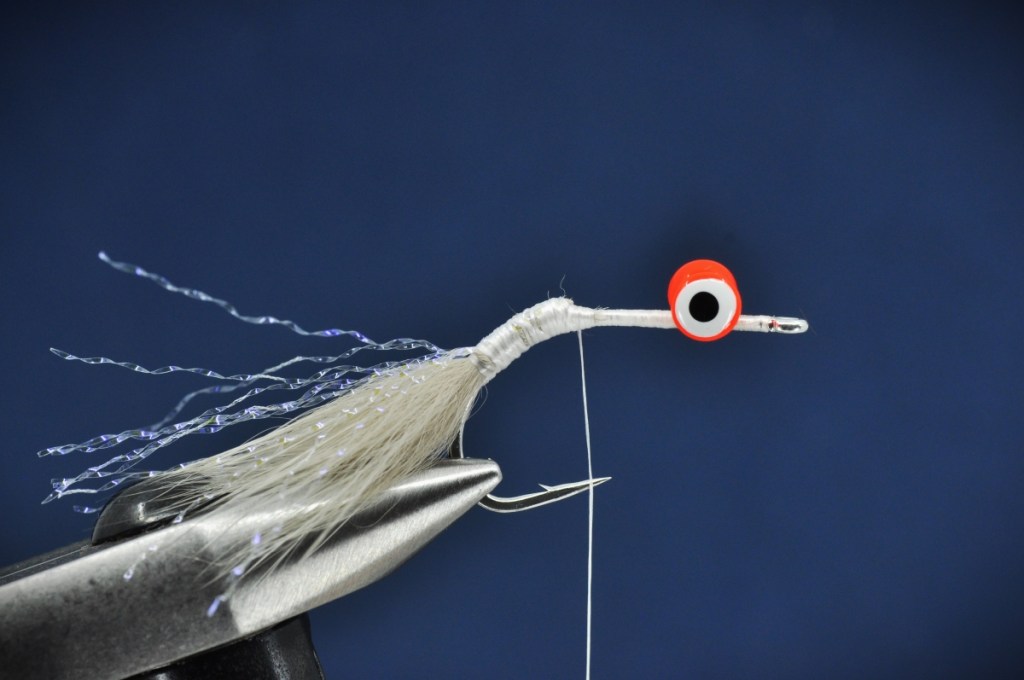


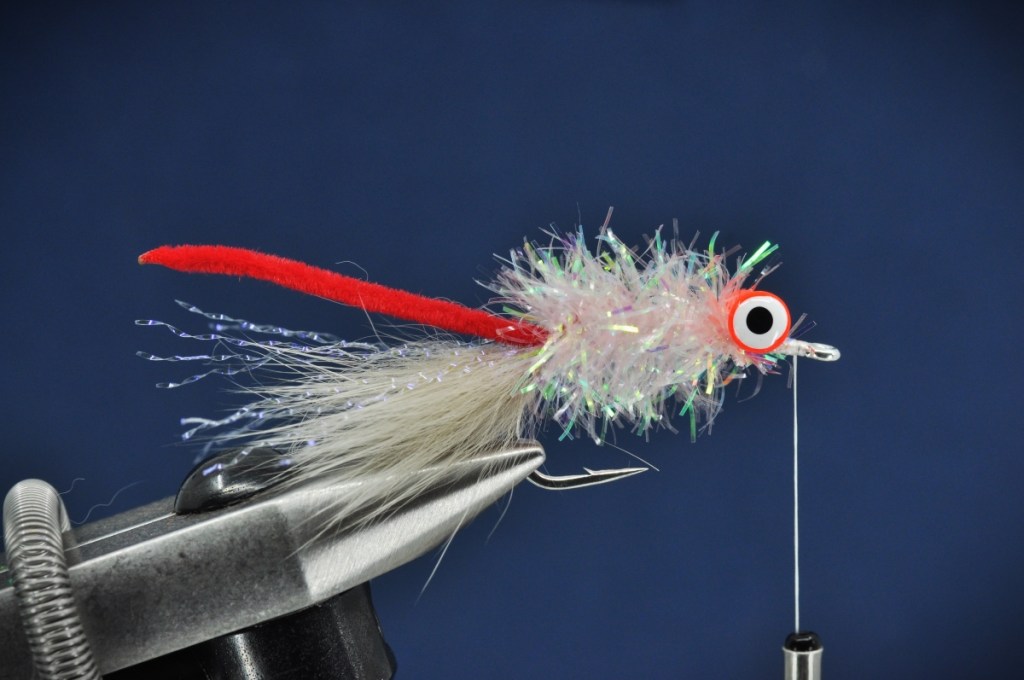

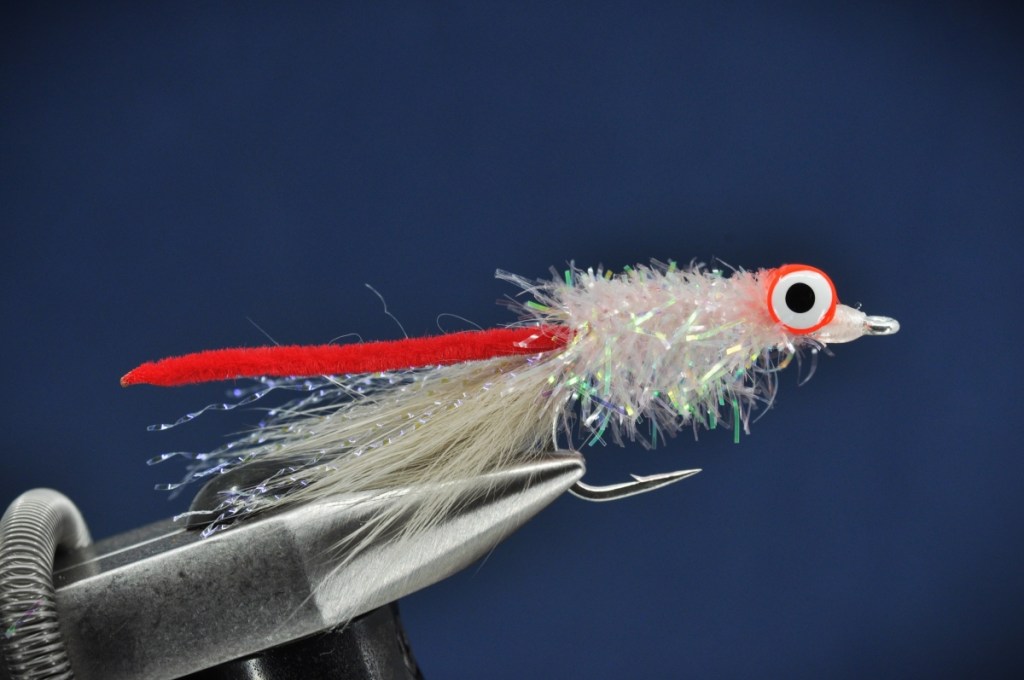
Tips and Tricks
- Substitutions (Tail) – At Harry’s recommendation, I tied the above tutorial utilizing Arctic Fox. Per Harry, it provides a great combination of durability and movement in the water. That said, Harry also ties the tail with a variety of other materials including Marabou. So, on the off chance you don’t have arctic fox amongst your tying materials, try swapping it out for Marabou and see how things go.
- Substitution (Body) – While Estaz was used in the example above, Harry favors Hareline’s UV Life Flex Wrap for his fly’s body. It’s bulkier/buggier than Estaz or Cactus Chenille and looks great on the examples he has tied. I’ve yet to find any at my local shops, but will be ordering some shortly to add to my kit.
- Color Selection – In the above step-by-step, I elected to go with a lighter, more natural color combination. The stretches of marsh I fish this time of year are fairly shallow and clear, and, at least in my experience, these conditions favor lighter colored flies. In slightly darker/dirtier water, however, a black/purple variant may prove the ticket.
- A Level Base – In the fly above, I finished the pattern by trimming the Estaz along the bottom of the fly. Harry takes this a step further, carefully using a lighter to even out the underside of the pattern after trimming. This extra step makes for a solid, level base. Just be careful with the flame. Move too close to the fly and you may undo a lot of hard work.
Proof of Concept
In perhaps a first for me, it took a single cast for the Dirty Harry fly to prove its worth. Paying an early morning visit to one of my favorite wintertime redfish holes, I positioned myself down current of a deep bend in a narrow bayou.
Tying on a Dirty Harry, I cast up current and allowed the fly to settle to the bottom of the 6′ deep pool. Half a dozen short strips later, I felt the telltale thump of a slot red and after a brief battle brought the 23-24″ fish to my net. When a lighter thump two casts later produced a Striped Mullet (marking my 4th year catching a mullet on the fly), I was sold!
Tight Line!
Chris

Enjoy our Content?
Subscribe below to be notified anytime a new Step-by-Step is added.
Support our Content
Enjoy our content & want to help support our work? Consider clicking one of the Ads below the article if something catches your attention. Each click brings in a small bit of revenue to help offset the cost of maintaining & hosting this great site!
Great tutorial! Thanks for posting this on your site.
Harry
Thanks Harry! This fly will definitely remain a mainstay in my marsh box.
Chris,
I am working on a fly(s) that mullet will eat and am curious as to what size was the fly that the mullet ate. I’d also be interested in knowing your thinking about a fly for the striped mullet.
I tie a fly that is similar to Harry’s fly for the reds here in the tidal marshes of the Lowcountry of SC.
Harry, when you coming to visit?
I’ve caught 6 or 7 mullet (striped and white)over the past four years and most have fallen for shrimp patterns. This one took a Dirty Harry tied on a 1/0 Gamakatsu SC15. However, the majority have been on size 4 or 6 flies (simple EP or craft fur shrimp).
Two of the mullet I’ve caught were blind casting. However, the rest were caught while targeting schools of surface feeding mullet. While fish sipping on the surface never seem interested in my flies, there always seems to be a second level of mullet below the surface that are eager to attack a small shrimp pattern in these situations.